







Seven Tips to Plan and Practice Fire Escape Drills Using Doors and Windows
With Halloween around the corner and fall temperatures beginning to cool, fire safety comes back into focus. Fire Prevention Week is recognized October 4-10, 2026, in the U.S. When it comes to a fire emergency, the Window Safety Task Force reminds all of the importance of doors and windows are primary and secondary escape routes during an emergency, such as a fire.
Practice Makes Perfect | Ensure Every Family Member Escapes Safely
“Fires can happen unexpectedly in any home and can spread quickly,” said Angela Dickson, Co-chair of the Window Safety Task Force and Marketing and Communications Director for the Fenestration and Glazing Industry Alliance (FGIA). “The Window Safety Task Force urges every household to create and practice a fire escape plan at least twice a year. Your plan must account for everyone – including young children, individuals needing extra assistance and family pets – while identifying windows as a critical secondary escape route.”
Seven Fire Safety Tips from the Window Safety Task Force
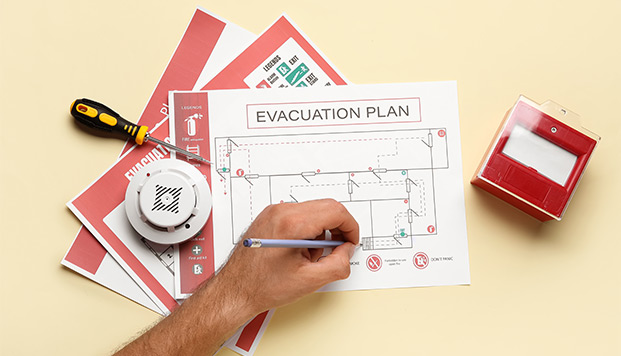
- Create a fire escape plan.
- This should include two exits from every room in your home, through a door and a window. A sample plan is available in the Window Safety Task Force’s children’s activity book.
- Practice your fire escape plan.
- Practice both during the day and at night, as many home fires occur at night.
- Practice opening and closing windows.
- Determine which windows should be designated as emergency exits and ensure all family members know how they operate.
- Attempt to open a window first.
- Rather than break the glass, try to open the window if you must exit through it in an emergency.
- Choose windows without impact-resistant glass.
- Open the window to escape or choose another exit route if your home features windows with impact-resistant glass, commonly used in hurricane-prone areas.
- Check local building codes.
- When remodeling your home, understand emergency escape and rescue (egress) building code requirements. Egress windows are designated by code as large enough for you to escape through or for rescue workers to enter in emergency situations.
- Know how to quickly release fall prevention devices.
- Consult your local building codes to determine proper placement of window guards or fall prevention devices, such as window opening control devices (WOCDs). If you equip windows in your home with these products, install devices that comply with ASTM F2090 for quick release.
Visit the window safety sections of the FGIA and the Window & Door Manufacturers Association websites to learn more. Follow the Window Safety Task Force on X, Facebook, Instagram and LinkedIn for more tips and updates on this important safety issue.
About the Window Safety Task Force
The Window Safety Task Force was formed in 1997 to promote greater awareness of window safety. The task force is comprised of members representing the Fenestration and Glazing Industry Alliance (FGIA) and the Window & Door Manufacturers Association (WDMA), in cooperation with other organizations, as well as manufacturers of windows, doors and screens. Window Safety Week, recognized the first full week of April, is intended to heighten awareness about what actions homeowners can take to establish window safety as a year-round priority.
